
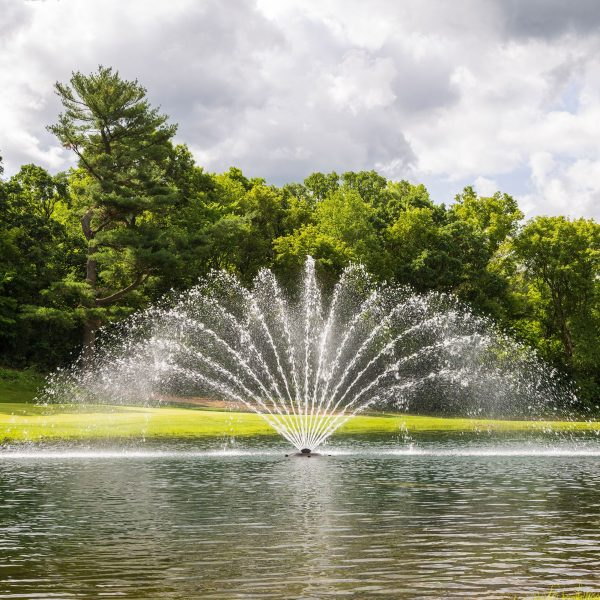
Many outdoor fountains start with a pump chosen by the lowest tag on the shelf. Weeks later, the water barely trickles over the top tier or splashes so hard the basin runs low by evening. The best fountain pump price belongs to a pump matched to your fountain’s height and flow.
Planning the fountain first makes the pump choice simple. Once you know the style, the spot, and how high the water must rise, the right size becomes clear and overspending stops. Shoppers who plan this way find the best fountain pump price on a model that runs quietly, saves power, and sounds as inviting as the space looks.
A Mismatched Pump Undermines the Whole Fountain
Flow That Misses the Design: A pump sized wrong for its fountain shows the mistake right away. Too little flow leaves tiers half dry and the water sounding thin. Too much flow throws water past the basin edge, wets nearby paving, and drains the reservoir faster than expected. Both problems make an outdoor fountain feel less inviting than it should.
Small Losses That Add Up: Leaving a mismatched pump in place shortens its life, because splash loss and evaporation can drop the water below the intake. In everyday fountain service, technicians routinely see pumps that burned out after running dry for a few hot afternoons. The longer the mismatch continues, the more likely a full replacement becomes.
Fountain Style and Setting Shape the Pump Choice
Tiered, Wall, and Urn Fountains: Each fountain style places different demands on the pump. Tiered fountains need enough lift to reach the top bowl, while wall fountains need steady flow across a wide spill edge. Bubbling urns and boulder fountains need modest flow and very little height. A glazed urn by the front walk can also add curb appeal without a large pump.
Placement, Sound, and Seating: Placement decides how loud a fountain should be. A fountain beside a seating area works best with a soft, steady sound that does not drown out conversation. Good patio design places the water within earshot of the chairs and a few feet back from walkways, so splashing stays off the paving.
Flow and Lift Set the Right Size
Measuring Head Height before Shopping: Head height is the vertical distance from the water surface to the point where water exits the fountain, and it sets the minimum lift a pump needs. Flow ratings drop as height increases, so a pump’s maximum flow figure applies only at zero lift. Checking the flow chart at your actual height avoids buying too small.
Flow Control and Running Costs: A pump with a built-in flow control valve lets you size slightly up and then dial the water back to the sound you want. That extra margin covers friction in the tubing. Wattage matters too, because an outdoor fountain often runs for hours a day, and a lower-watt pump keeps monthly costs down.
 https://www.fountaintechpumps.com/wp-content/uploads/2022/11/Kasco-Mahogany-Premium-Nozzle-600×600.jpg
Submersible and External Pumps Compared
Submersible Pumps for Most Garden Fountains: Submersible pumps suit most garden fountains because they sit hidden in the basin, run quietly, and install without plumbing outside the water. They usually cost less upfront. The trade-off is access, since the pump must come out of the basin for cleaning, and smaller models have limited lift for tall or multi-tier designs.
External Pumps for Larger Water Features: External pumps make sense for large fountains and pondless water features that move a high volume of water. They sit outside the basin, so servicing is easier and the motor stays dry. They need a protective housing, careful plumbing, and priming in some setups, and they tend to make more noise and cost more at purchase.
Value That Holds Up over Many Seasons
Build Quality behind the Price Tag: A pump’s true cost covers its working life as well as its checkout price. Sealed motors, corrosion-resistant housings, and replaceable impellers keep a pump running for years. Paying a little more for those features often delivers the best fountain pump price over time, since a sturdier pump may outlast several cheaper replacements.
Simple Care That Protects the Pump: Regular care can add years to a fountain pump at almost no cost. Clearing leaves from the intake screen often during leaf season keeps flow steady and the motor cool. Topping off the basin in hot weather prevents dry running, and storing the pump indoors before freezing nights keeps ice from cracking the housing.
 https://www.fountaintechpumps.com/wp-content/uploads/2025/10/Amherst-half-HP-0696-r1-09-30-2025-600×600.jpg
Smart Checks before You Buy a Pump
Details Worth Confirming First: A few quick checks help you compare pumps on value rather than packaging. Each point below ties a product detail to how the fountain will look, sound, and perform at home. Running through the list before checkout keeps you from paying for capacity you do not need or settling for too little.
- Flow at your head height matters more than the maximum flow printed on the box.
- A flow control valve lets you fine-tune sound and splash after installation.
- Wattage shows what the pump will cost to run through a full season.
- Cord length should reach a covered, ground-fault protected outlet without an extension cord.
- Comparing these details side by side helps you land the best fountain pump price for your design.
Water Sounds Worth Coming Home To
A well-planned fountain with the right pump gives your yard steady water, a calming sound, and low running costs. Another season with a weak or splashing pump wears down equipment you may soon replace. Get in touch to match your fountain to the best fountain pump price on a model that fits.
