
TP Play Password Security
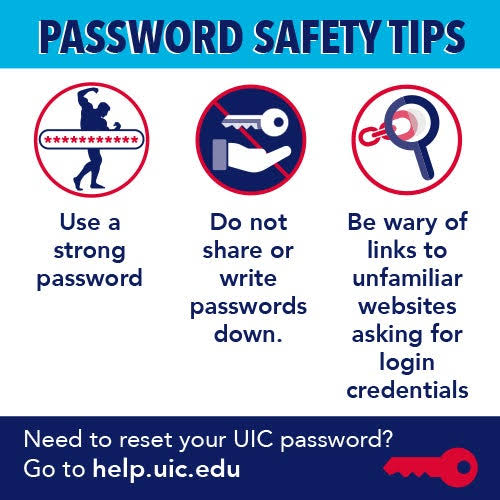
A strong password is an important part of protecting any online account. Users should create secure login credentials, avoid sharing passwords, and take basic steps to reduce the risk of unauthorized access.
Good password security is especially important when an account may contain personal information, wallet details, or transaction activity. The exact security features available may vary depending on the platform and account settings.
In this complete Tpplay Password Security Tips guide, you will learn how to create a strong password, protect login credentials, avoid common security mistakes, and respond if you believe your password may be compromised.
Create a Strong Password
A strong password should be difficult for other people to guess.
Password Tips
- Use a unique password.
- Combine different types of characters where supported.
- Avoid common words and simple patterns.
- Do not use easily guessed personal information.
- Avoid using the same password on multiple accounts.
A unique password can help reduce the risk of unauthorized account access.
Avoid Easy-to-Guess Passwords
Users should avoid passwords based on information that others may know or guess.
Examples of information to avoid include:
- Name.
- Birthday.
- Mobile number.
- Simple number sequences.
- Common words.
- Repeated characters.
Using predictable information may make an account easier to access without permission.
Do Not Reuse Your Password
Using the same password across multiple accounts can create additional security risks.
If one account is compromised, attackers may try the same login details on other platforms.
For better security, use a different password for each important account.
Never Share Your Password
Your password should remain private.
Users should never share login credentials with:
- Friends.
- Unknown individuals.
- Online strangers.
- Unverified support contacts.
If someone asks for your password, be cautious and verify that the request is legitimate.
Protect Your OTP Codes
OTP codes may be used for login or account verification.
Users should:
- Never share OTP codes.
- Enter codes only on trusted pages.
- Avoid sending OTPs through messages.
- Be cautious about unexpected verification requests.
A password and OTP should both be treated as private security information.
Avoid Saving Passwords on Shared Devices
If you use a public or shared device, avoid saving your login information in the browser.
After using the account:
- Log out completely.
- Do not save the password.
- Close the browser session.
- Check whether login information was stored.
This can help reduce the risk of unauthorized access.
Be Careful With Suspicious Links
Scammers may create fake login pages designed to collect passwords.
Before entering your login details:
- Check the website or application source.
- Avoid suspicious links.
- Be cautious of messages promising guaranteed rewards.
- Do not enter passwords on unknown pages.
Always use trusted access methods.
Change Your Password If Necessary
Users should consider changing their password if:
- They shared it with someone.
- They entered it on a suspicious website.
- They notice unusual account activity.
- They believe the password may have been exposed.
Create a new, unique password instead of simply making a small change to the old one.
Password Manager
A trusted password manager may help users create and store unique passwords.
Users should choose a reputable password management solution and protect it with strong security credentials.
Avoid storing passwords in easily accessible notes or messages.
What to Do If Your Password Is Compromised
If you believe someone may know your password: Visit Dmwin
- Change the password immediately.
- Use a new and unique password.
- Review account activity if available.
- Check wallet or transaction records.
- Secure other accounts if the same password was reused.
- Contact trusted official support if necessary.
Acting quickly can help reduce potential security risks.
TP Play Password Security Checklist
Before using your account, check:
- Password is unique.
- Password is difficult to guess.
- Login details are private.
- OTP codes are protected.
- Suspicious links are avoided.
- Password is not saved on shared devices.
- Unusual account activity is monitored.
Frequently Asked Questions
What makes a strong TP Play password?
A strong password is unique, difficult to guess, and does not use easily available personal information.
Should I use the same password for other accounts?
No. Using unique passwords for important accounts can improve overall account security.
Should I share my password with support?
No. Users should never share their password with unknown or unverified individuals.
What should I do if I enter my password on a suspicious website?
Change your password immediately and review your account activity for anything unusual.
How often should I change my password?
Change your password whenever you believe it may have been exposed or compromised. Regular changes may also be appropriate according to your personal security practices.
Should I share my OTP code?
No. OTP codes should always remain private.
How can I protect my account on a shared phone?
Avoid saving your password, log out after use, and ensure that other people cannot access your account.
Disclaimer
This website is an independent informational platform and is not officially affiliated with TP Play or any related application. The information provided is intended for educational and informational purposes only.
Users should review the platform’s current terms, conditions, applicable laws, account policies, and security requirements before using any third-party gaming platform. Online gaming and prediction-based activities may involve financial risks. Any decision to use third-party platforms is entirely the responsibility of the individual user.
Conclusion
Strong password security can help protect a TP Play account from unauthorized access. Users should create unique passwords, avoid sharing login details, protect OTP codes, and remain cautious when opening unfamiliar links.
If a password may have been exposed, change it immediately and review account activity. Always protect your login information and use secure account management practices.
