
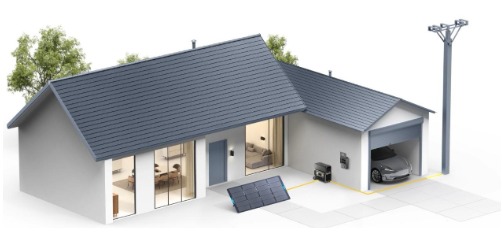
A blackout drives householders to make quick judgments regarding energy consumption. Backup power is limited, whether you use a battery system or a generator. Running all appliances at once might quickly deplete stored energy or overburden your equipment. Prioritising the appropriate equipment ensures that your home remains safe and comfortable until grid power returns. Food preservation, medical care, and basic communication should come first. Understanding which appliances are most important allows you to extend uptime and reduce needless pressure on your backup system. This article outlines what to turn on first and how to use electricity intelligently during an outage to ensure safety and control.
What Are the Most Essential Appliances to Power First?
Refrigerators, Freezers, and Food Safety Basics
Refrigerators and freezers should be high on your priority list. During prolonged power outages, these gadgets keep food fresh and prevent it from rotting. A normal refrigerator consumes moderate electricity, yet cycles on and off, so it conserves energy. Keep doors as closed as possible to maintain indoor temperature. If left closed, a full freezer may keep food at a safe temperature for 48 hours. If it is not absolutely required, avoid plugging in supplementary refrigerators or beverage coolers. Preserving important foods lowers waste and improves family health. Focusing on major refrigeration units allows households to strike a balance between food safety and effective energy consumption during power outages.
Medical Devices and Critical Health Equipment
Medical equipment must be prioritised during any interruption. Devices including oxygen concentrators, CPAP machines, insulin freezers, and mobility equipment chargers, require consistent power. Calculate their power needs ahead of time and ensure that your backup system can sustain them consistently. If someone in the home relies on powered medical gadgets, keep an energy reserve. Inform local utility providers of your medical needs so that they can prioritise service restoration whenever feasible. Maintain backup batteries or manual options whenever possible. Convenience is never more important than health. Planning ahead of time guarantees that vital equipment continues to work without interruption and decreases danger during extended power outages or severe weather crises.
Lighting, Wi-Fi Routers, and Communication Devices
During a blackout, basic illumination and communication devices serve to keep people safe and connected. LED lights use very little energy and give enough light at night. Concentrate on lighting high-traffic areas like kitchens, hallways, and restrooms. Wi-Fi routers and modems provide access to news updates and emergency notifications when internet connectivity is operational. To stay connected, charge cellphones and power banks early. Unless capacity allows, don’t power ornamental lights or entertainment systems. Efficient lighting and communication management provide better cooperation with family members and emergency services. These little but critical gadgets consume very little energy while providing major safety and convenience benefits.
How Do You Manage Backup Power Efficiently During an Outage?
Calculate Wattage and Prioritise Essential Loads
Before an outage happens, make a list of key appliances and note their wattage ratings. Add running wattages to get the total continuous demand. Identify appliances with large starting surges and factor in peak power demand. Compare these numbers to your backup system’s capacity and output constraints. During an outage, only connect the most important devices initially. Avoid turning on numerous appliances at once. If your system has a dedicated backup panel, ensure that only vital circuits are connected to it. Careful computation reduces overload and increases runtime. Knowing your figures enables you to confidently and effectively handle limited power resources during an emergency.
Avoid Overloading High-Wattage Appliances
High-wattage appliances can quickly exhaust the capacity of a whole home battery backup. Electric stoves, space heaters, hair dryers, and air conditioners all require a lot of power. Running these items during an outage may cause your whole-home battery backup’s inverter to exceed its limitations or rapidly drain stored energy. Use manual alternatives wherever possible. Cook with gas appliances if available, or use tiny countertop devices sparingly. Limit heating and cooling to critical areas rather than the entire house. Monitor system alarms for overload warnings. Instead of using all of the appliances at once, stagger them. Avoiding excessive loads safeguards your whole home’s battery backup and guarantees that vital systems stay operational during the outage rather than shutting down abruptly.
Extend Runtime with Smart Energy Management
Smart energy management boosts efficiency during a blackout. Many current backup systems feature monitoring applications that show real-time use and battery life. Use this information to make immediate behavioural changes. Reduce lights if feasible, and disconnect any unwanted gadgets. Lower the thermostat settings slightly to reduce HVAC demand. If solar panels are available, plan heavy work during daylight charging hours. Activate backup priority modes to save energy on vital circuits. Encourage family members to preserve power together. Small changes around the family dramatically increase the runtime. Active management guarantees that your backup system meets critical demands for as long as feasible during extended outages.
Conclusion
A blackout necessitates disciplined energy management and established priorities. Refrigeration, medical equipment, and communication gadgets should come first. Lighting and crucial connections provide safety and alertness. Avoiding high-wattage appliances and monitoring power use increases available runtime. Wattage calculations in advance help to prevent overload and equipment failure. Backup power works best when homeowners plan ahead of time and remain calm during outages. Focusing on vital demands and avoiding superfluous usage protects your home while stretching limited energy resources. Smart preparation and cautious usage transform a momentary outage into a tolerable occurrence rather than a distressing disaster.
