
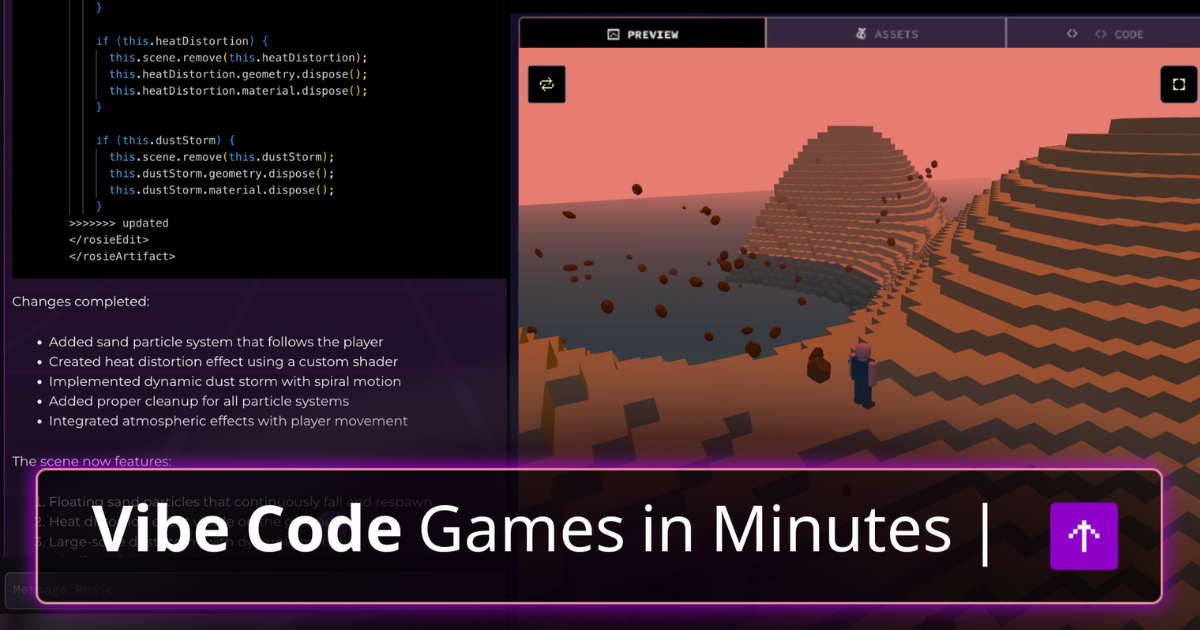
In game development, a portfolio is not a list of skills, a collection of screenshots, or a description of projects you have worked on — it is a collection of things that exist and can be played by anyone with a link. A CV that says “designed game mechanics for a puzzle platformer” is an unverifiable claim. A link that opens a playable game and demonstrates those mechanics is evidence. The difference matters enormously in a field where the evidence of your capabilities is either demonstrable or it is not.
The practical implication is straightforward: the most important thing you can do for a career in game design is to ship games. Not perfect games, not polished productions — shipped games. Real, playable, publicly accessible games that demonstrate you can take an idea from concept to something another person can experience. That standard is now achievable for anyone, with any level of technical background, using an AI game maker.
What Hiring Managers and Clients Actually Look At
Hiring managers in game development are looking for evidence of three capabilities in a portfolio: the ability to finish something and ship it, design thinking applied to real constraints and real problems, and a sense — however intuitive — of what makes a game feel good to play. None of these requires the portfolio piece to be built in a specific engine, without AI assistance, or according to any particular technical methodology.
The design thinking is what separates a strong portfolio from a weak one. A strong portfolio piece does not just exist — it demonstrates that the creator understood why certain decisions were made, what problems those decisions were solving, and what the result of those decisions was for the player. That understanding is most clearly communicated in process notes and design documentation, not in the game itself. A playable game with no supporting documentation is less impressive than a playable game accompanied by a clear description of the design intent behind it.
Shipping a Portfolio Game on Combos That Demonstrates Real Design Thinking
Here is how to use Combos to build a portfolio piece that reflects genuine design capability.
Step 1 — Choose Genre Strategically: Pick a genre that shows a specific design skill — puzzle games demonstrate logical thinking, RPGs show systems design, platformers reveal level design instincts, narrative games demonstrate writing and UX sensibility. Your genre choice signals what kind of designer you are.
Step 2 — Prototype Fast, Polish Slow: Use combos.fun to build a working prototype quickly — then invest the majority of your time on the polish, refinement, and design decisions that the prototype enables. The ratio should be roughly 20% building prototype, 80% iterating and refining based on what you discover.
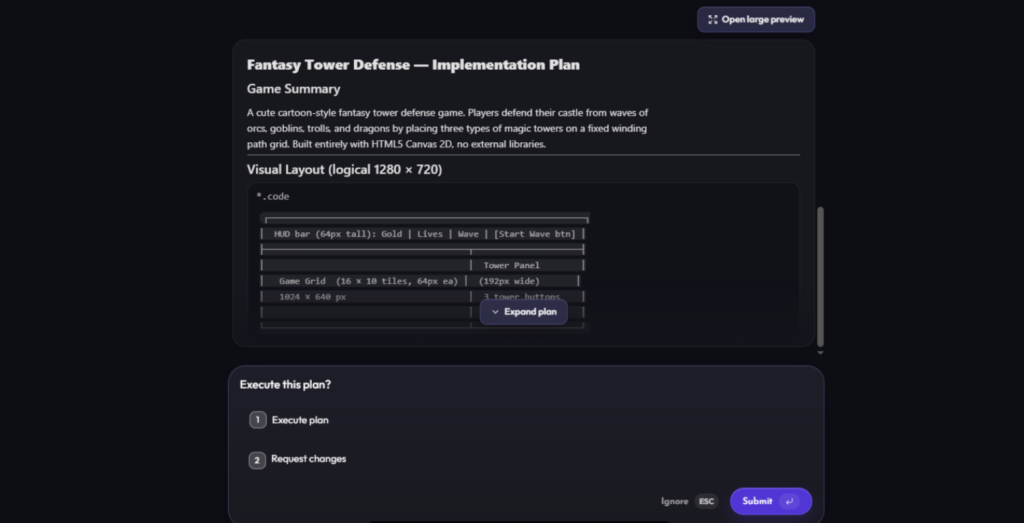
Step 3 — Document What You Changed: Document specifically what you changed from the AI’s first output and why — that documentation is your design thinking made visible, and it is often more impressive to a reviewer than the game itself.
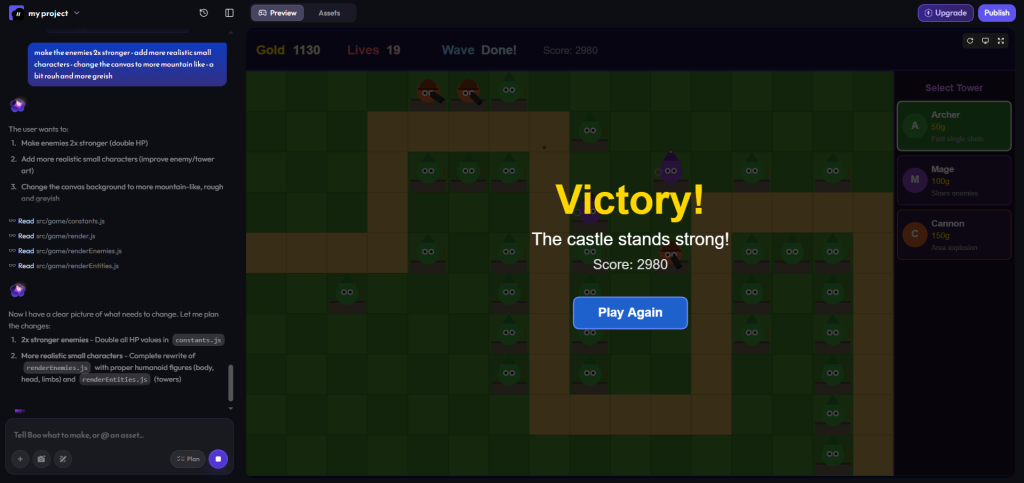
Step 4 — Embed Link and Process Notes: Publish with the shareable link and embed it in your portfolio alongside the process notes. The game and the documented thinking behind it together form a complete, compelling portfolio entry.
Choosing Projects That Show Range Without Spreading Too Thin
A portfolio of three polished, distinct games is measurably more impressive than a portfolio of ten unfinished or stylistically similar ones. When selecting portfolio projects, aim for variety in genre and mechanics alongside depth of execution in each individual piece. Each game should demonstrate something specific and different about how you think as a designer — one that shows level design instincts, one that shows systems thinking, one that shows narrative or UX judgment.
The AI game maker makes it practical to develop three polished portfolio pieces in the time it would previously have taken to build one. That practical advantage translates directly into a more compelling body of work when you are presenting yourself to a prospective employer or client.
How to Present AI-Assisted Work Honestly and Effectively
The most effective approach to presenting AI-assisted portfolio work is direct and confident: describe your process accurately, emphasise the design decisions you made, and let the work speak for its quality. “I used Combos to generate the initial prototype and assets, then spent the majority of my development time on level design, difficulty balancing, and UX polish” is an honest, professional description that demonstrates genuine workflow competence.
This approach is also strategically sound. Tool fluency is a professional asset, not a disqualifier. Interviewers who are skeptical of AI-assisted work are typically skeptical of work where the AI made all the design decisions — not work where the designer used AI for scaffolding and then applied genuine craft and judgment on top of it. The design decisions you made are in the portfolio. The tool you used to build the scaffold is context.
Presenting Your Portfolio So the Games Do the Talking
The presentation of a portfolio matters as much as the games within it. Each game should be accessible within a single click from the portfolio page — no signup required, no download, just a link that opens a playable experience immediately. The game name and a one-sentence hook should appear before the link so a reviewer knows what they are clicking into. A brief design note — three to five sentences covering the concept, the key design decisions, and what you learned — should accompany each entry.
Combos‘ shareable links make the one-click accessibility straightforward. The design notes are your work. Write them specifically and honestly rather than generically — “I tested the difficulty curve with six playtesters and reduced the mid-game spike based on where most players stalled” is more persuasive than “I designed engaging difficulty progression.”
Conclusion
An AI game maker accelerates portfolio development in a way that is particularly valuable for anyone entering or re-entering the game design field. It compresses the time from concept to shipped game, makes it practical to maintain several distinct, polished pieces, and handles the technical overhead that would otherwise consume the time needed for design thinking and refinement. Combos is the tool that makes this realistic today. Build something, document your thinking clearly, publish it before you decide it is not ready, and then build something better.
