
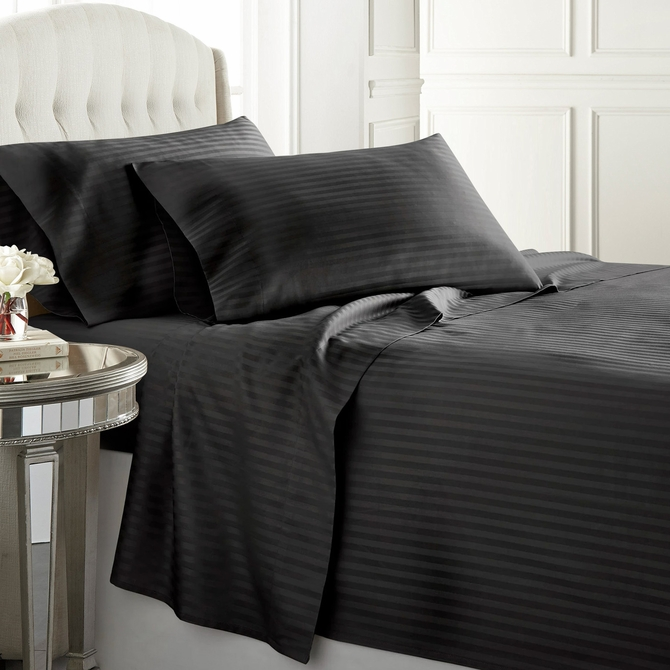
Two sheet sets can carry the same thread count and price, yet one turns scratchy after a few months while the other keeps getting softer. The difference usually sits inside the fabric, where shoppers rarely look. Knowing what separates a well-made Egyptian bed sheet from an ordinary one helps you pay for comfort that actually lasts longer.
Softness and durability depend on fiber length, yarn construction, and fabric finishing working together. Extra-long Egyptian cotton staples spin into smooth yarn with fewer loose ends, so the surface stays soft and resists pilling. A well-built Egyptian bed sheet balances these elements, giving you a fabric that feels gentle on the first night and holds up through years of washing.
Hidden Fabric Details That Decide How Sheets Age
Fiber Quality Sets the Starting Point: Fiber length is the first factor that decides how soft and strong a cotton sheet will be. Long staples twist together tightly, leaving fewer fiber ends poking out of the yarn. Short staples leave more loose ends, which rub into fuzz and pills. In everyday retail practice, bedding specialists routinely see complaints traced back to short-staple sheets that pilled within months.
Cheap Finishes Wear Off and Leave Rough Fabric: Some low-grade sheets rely on chemical softeners and resin finishes that feel silky in the store but wash out after a handful of cycles. What remains is a stiffer, rougher fabric. Certain finishing chemicals can also aggravate contact dermatitis in people with sensitive skin. Waiting to replace these sheets usually means living with that discomfort until they wear through.
Single-Ply Egyptian Cotton Brings Softness and Strength Together
What Single-Ply Construction Means: Single-ply construction means each thread is spun from one strand of fiber rather than two or more twisted together. Single-ply yarn made from long Egyptian cotton staples feels lighter and more supple against the skin. It also breathes freely, which helps the bed stay comfortable through warm summer nights and cooler seasons alike.
Collections Built on Pure Egyptian Cotton: Premium sheet collections that pair 100 percent Egyptian cotton with single-ply yarns give shoppers a clear quality baseline. The sheet sets featured on this site follow that approach, with Egyptian cotton and single-ply construction forming the base of the collection. With fiber and yarn already consistent, choosing an Egyptian bed sheet comes down to the weave and color that suit your bedroom.
Thread Count Tells Only Part of the Quality Story
Why a High Number Can Mislead: Thread count alone does not determine softness, durability or overall sheet quality. Some manufacturers use multi-ply yarns, where two or three thin strands are twisted together and each strand is counted separately. That practice can double a listed number on paper while producing a heavier, stiffer fabric that traps more heat.
Fiber and Ply Outweigh the Count: A single-ply Egyptian cotton sheet in a moderate thread count often outperforms a multi-ply sheet with a much higher label. The longer fibers do the work, keeping the fabric smooth and strong. Multi-ply blends can feel substantial and cost less upfront, yet they tend to pill sooner and lose their softness faster in the wash.
Proper Care Protects Your Investment for Years
Care Labels Reveal How a Sheet Will Last: Reading the care label before buying shows how much upkeep a sheet set needs. Standard laundry care symbols indicate the safe water temperature, drying method and whether bleach is allowed. Egyptian cotton generally handles warm washes and low tumble drying well, while sheets that demand dry cleaning or special handling add ongoing cost and effort.
Long-Term Value Beats a Low Upfront Price: A higher-quality sheet costs more at checkout but often works out cheaper per night of use. Long-staple cotton can last for years with gentle care, while budget sets may need replacing far sooner. Rotating two sets, washing in warm rather than hot water and avoiding over-drying all help the fibers keep their strength and softness.
A Comparison Checklist for Smarter Sheet Shopping
A side-by-side checklist makes it easier to judge any Egyptian bed sheet on its real merits instead of marketing claims. Comparing the same few factors across each set quickly separates long-lasting options from ones that only look good online. Keep these points in mind when reviewing product details and pricing before you buy.
- Fabric feel: percale feels crisp and cool, while sateen feels smooth with a slight sheen.
- Construction: look for 100 percent Egyptian cotton and single-ply yarns on the label.
- Thread count: treat it as one detail, not proof of quality.
- Care instructions: favor sets that can be machine washed and tumble dried on low.
- Price: compare cost against expected lifespan rather than the sticker alone.
- Weave and color: confirm the exact weave and shade before ordering, since availability varies.
Comfort That Holds Up Night after Night
Choosing an Egyptian bed sheet built on long-staple fiber and single-ply yarn gives you softness that improves with each wash and strength that lasts for years. Settling for a cheaper set often means replacing it again soon and sleeping on rougher fabric in the meantime. Compare the details that matter, then order the sheet set that fits your bed today.
