
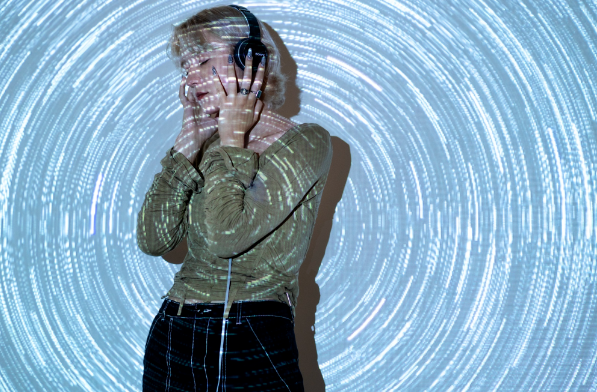
A thrilling moment reaches the body before the mind explains it. A door clicks shut, a bass note trembles under a scene, a crowd inhales before the final kick, or a notification lands with enough sparkle to feel important. Sound is not background decoration. It is a pressure tool, guiding attention and teaching the nervous system when to lean closer.
In digital entertainment, a name can also carry a small sound-world around it: quick syllables, bright interface tones, short reward cues, and the sense that action is close. That is where slimking becomes relevant to the topic, because its compact identity fits the kind of audio-led online experience where timing, feedback, and memorable signals shape how users feel. The point is not loud branding; it is the way a short digital cue becomes easier to recognize when sound, rhythm, and expectation support it.
Why Sound Feels Faster Than Sight
Vision asks us to look. Sound reaches us even when we are not ready. That is why a sudden crack of thunder can make someone jump before they have located the sky, and why a quiet footstep in a film can create more tension than a visible monster. The ear is built for warning. Long before playlists, speakers, and cinema halls, humans used sound to detect movement, distance, threat, weather, animals, and voices in the dark. A rising tone says pressure is building. A deep rumble suggests size or danger. A sharp metallic hit says something has changed.
The Thrill of Waiting
Excitement is not created only by loud sound. Often, the most thrilling part is the pause before it. Music producers, film composers, game designers, and live-event sound teams use restraint because silence makes the next sound feel larger. Think of a beat that drops after two seconds of empty space. The drop works because the body has already started waiting. The same trick appears in horror scenes, sports broadcasts, trailers, and mobile games. A delay turns a simple result into an event.
| Sound choice | What it does emotionally | Common use |
| Low bass pulse | Adds weight and danger | Thrillers, trailers, entrances |
| Rising pitch | Builds expectation | Reveals, countdowns, contests |
| Sudden silence | Makes viewers alert | Horror, drama, live tension |
| Short chime | Signals reward or completion | Apps, games, notifications |
| Repeated rhythm | Creates momentum | Sports edits, dance tracks, action scenes |
Why Bass Feels So Physical
Low frequencies are not only heard; they are felt. At a concert, the bass can press against the chest. In a cinema, it can make a room seem larger than it is. In headphones, it can give a simple track movement and confidence. That physical quality explains why bass is used so often in thrilling moments. It suggests force without needing to show force. A villain can enter under a slow bass note. A car chase can gain speed before the engine is visible. A final chorus can feel more emotional because the low end opens up.
The Brain Loves Patterns – Then Loves Breaks
A steady rhythm comforts the listener because it becomes predictable. The brain starts guessing the next beat. When the pattern breaks at the right moment, attention snaps back.
This is why syncopation, pauses, off-beat claps, drum stops, and delayed drops are so effective. They play with expectation. The listener is not confused enough to leave, but surprised enough to stay awake. The same principle works outside music. A speech becomes stronger when the speaker varies pace. A trailer feels bigger when quiet lines interrupt action. A game feels sharper when each win, loss, or near miss has its own sound signature.
Not Every Thrill Should Be Loud
There is a lazy version of sound design that simply turns everything up. It may startle people, but it tires them quickly. Real thrill comes from contrast. A whisper can beat a scream if the scene has earned it. Good audio design respects space. It lets small sounds matter: cloth moving, glass touching a table, a breath held too long, a match striking, a phone vibrating in a silent room. The details make the listener feel there, like the moment is close, not on the other side of a screen.
How Sound Shapes Memory
People often remember moments through sound without noticing it. A goal celebration has a roar. A childhood cartoon has a theme tune. A festival has drums from a nearby street. A favourite app or game may have a tiny cue that feels familiar after only a few uses. Sound attaches emotion to memory quickly. The melody does not need to be complex. The cue only needs to arrive at the right time and repeat with meaning.
The Hidden Craft Behind the Pulse
Thrilling sound is rarely accidental. It is built through timing, texture, silence, frequency, rhythm, and repetition. The best audio choices do not announce themselves; they steer the body quietly. That is why certain sounds make moments feel more thrilling. They do not decorate excitement. They organize it. They tell the listener when to wait, when to tense, when to release, and when a small event has become something worth remembering.
