
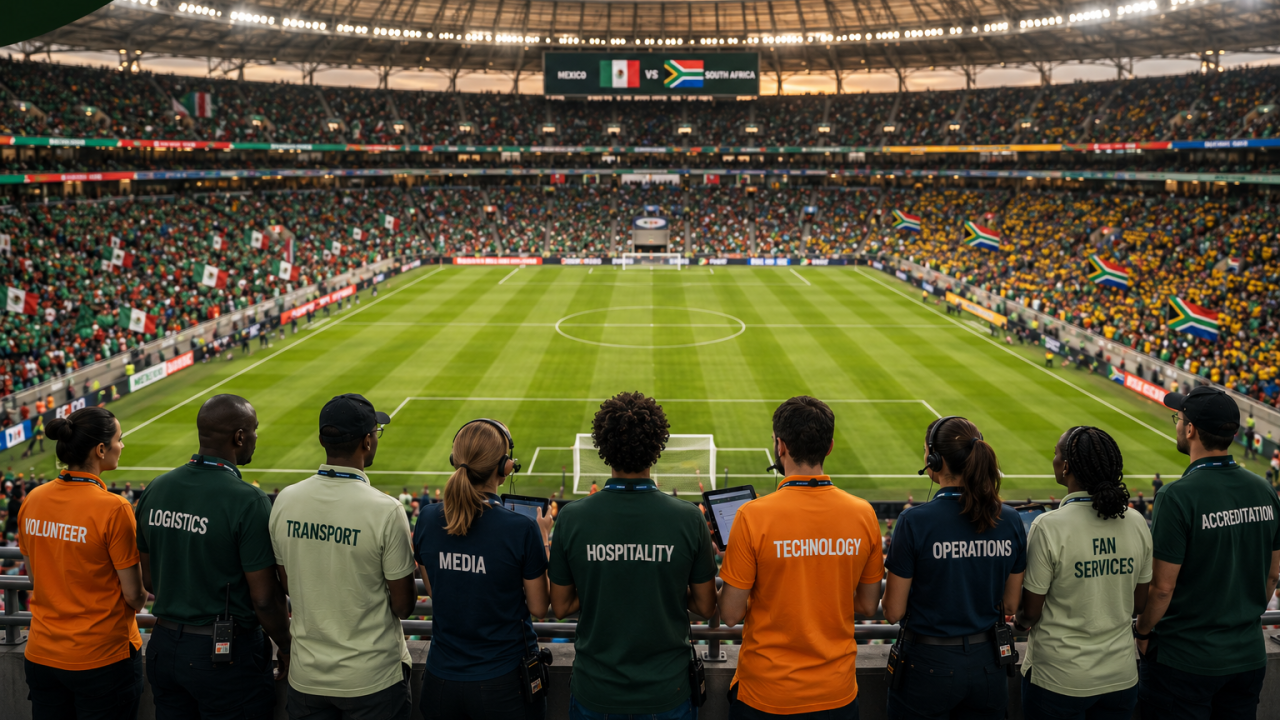
As the World Cup approaches, global attention intensifies around the evolving narratives that define the tournament cycle. Beyond the matches themselves, fans, analysts, and media outlets closely follow the developing storylines that shape expectations, influence predictions, and build anticipation for football’s biggest competition.
Modern coverage of the World Cup is no longer limited to match reports or squad announcements. Instead, it has become a continuous stream of analysis, statistics, and speculation that spans months before kickoff. This extended narrative period allows fans to track team form, player development, and tactical evolution in real time.
The Rise of Continuous Tournament Storytelling
One of the most notable changes in modern football coverage is the shift toward year-round storytelling. Rather than waiting for the tournament to begin, fans now follow qualifying campaigns, friendly matches, and club performances as part of a larger World Cup narrative.
This has created a media environment where:
- player performances are tracked continuously
- tactical trends are analyzed across seasons
- squad depth is debated long before selection deadlines
- injury updates significantly influence expectations
As a result, anticipation builds gradually rather than suddenly, making the tournament feel like the culmination of an ongoing global conversation.
Emerging Breakout Players Shape Expectations
A major focus of pre-tournament discussion is identifying emerging breakout players who could make a significant impact on the global stage.
These players often gain attention through:
- strong club performances in domestic leagues
- standout displays in continental competitions
- impressive qualifying campaign statistics
- rapid development in international fixtures
Breakout players frequently become key narrative drivers during the tournament itself, especially when they outperform expectations or play decisive roles in knockout matches.
Analysts and fans alike closely monitor younger talents, as they often represent the most unpredictable and exciting elements of the competition.
Advanced Metrics Are Changing How Teams Are Evaluated
Modern football analysis relies heavily on data-driven insights, with expected goals (xG) becoming one of the most widely referenced performance metrics.
xG is used to assess:
- quality of scoring chances
- attacking efficiency
- defensive vulnerability
- shot selection effectiveness
- overall team performance trends
By analyzing xG data, commentators and analysts can evaluate whether a team’s results reflect sustainable performance or short-term variance.
This has added a new layer of depth to pre-tournament discussions, allowing fans to move beyond traditional statistics like goals and assists.
Tactical Identity Is a Key Narrative Theme
Each World Cup cycle brings renewed attention to tactical evolution across international teams. Coaches are increasingly defined not only by results but also by their systems and adaptability.
Common tactical storylines include:
- pressing intensity variations
- defensive structure adjustments
- formation flexibility
- transition speed strategies
- set-piece innovation
These elements often determine how far teams progress in the tournament, particularly when matches become tightly contested in knockout stages.
Global Fan Engagement Has Never Been Higher
The World Cup now generates unprecedented levels of global engagement across digital platforms. Fans actively participate in discussions, predictions, and analysis long before the tournament begins.
Digital engagement includes:
- social media debates and predictions
- highlight and analysis content
- fantasy football participation
- statistical breakdown discussions
- community-driven forecasting
This constant interaction ensures that the tournament remains relevant even outside matchdays.
In some digital ecosystems, World Cup fans also engage with predictive discussions and entertainment platforms such as DraftKings Sportsbook, reflecting how sports consumption increasingly blends analysis, entertainment, and forecasting into a single experience.
Squad Selection Drama Drives Early Interest
One of the most discussed topics in the buildup to the World Cup is squad selection. Coaches must make difficult decisions regarding which players to include or exclude from their final rosters.
Selection debates often focus on:
- form versus reputation
- tactical suitability
- injury recovery status
- positional depth
- youth inclusion versus experience
These decisions frequently spark widespread debate among fans and analysts, shaping early tournament narratives before the first match is even played.
Data and Analytics Influence Modern Predictions
The use of data analytics has transformed how teams and fans evaluate tournament prospects. Advanced models now simulate potential outcomes based on a wide range of performance indicators.
Key analytical tools include:
- match simulation models
- player performance indices
- tactical efficiency ratings
- historical matchup comparisons
- form-based probability projections
These tools help create more informed expectations while still leaving room for the unpredictability that defines international football.
Media Coverage Extends the Tournament Experience
The World Cup is no longer confined to live broadcasts. Media coverage now includes documentaries, podcasts, tactical breakdowns, and behind-the-scenes content that extend the tournament experience far beyond the pitch.
This expanded coverage allows fans to:
- follow team preparations in detail
- understand coaching strategies
- learn about player backgrounds
- engage with expert analysis
- revisit key historical moments
As a result, the tournament becomes a continuous media event rather than a short competition window.
Rivalries and Historical Context Shape Storylines
Another key factor in World Cup storytelling is historical rivalry. Matches between certain nations carry additional emotional and narrative weight due to past encounters, cultural significance, or competitive history.
These storylines often influence:
- fan expectations
- media framing
- player motivation
- tactical preparation
- global viewership interest
Historical context adds depth to matches that might otherwise appear similar on paper.
Technology Enhances Viewer Understanding
Technological advancements have significantly improved how fans consume and understand football.
Modern broadcast features include:
- real-time player tracking
- augmented tactical graphics
- live statistical overlays
- multi-angle replays
- interactive match dashboards
These tools help viewers better interpret complex tactical and statistical elements during matches.
A Tournament Defined by Stories
Ultimately, the World Cup is more than a series of matches—it is a collection of evolving stories that unfold over time. From breakout stars and tactical innovations to data-driven analysis and global fan engagement, each element contributes to a broader narrative that captivates audiences worldwide.
As the tournament approaches, anticipation continues to build around the players, teams, and moments that will define the next chapter of international football history.
